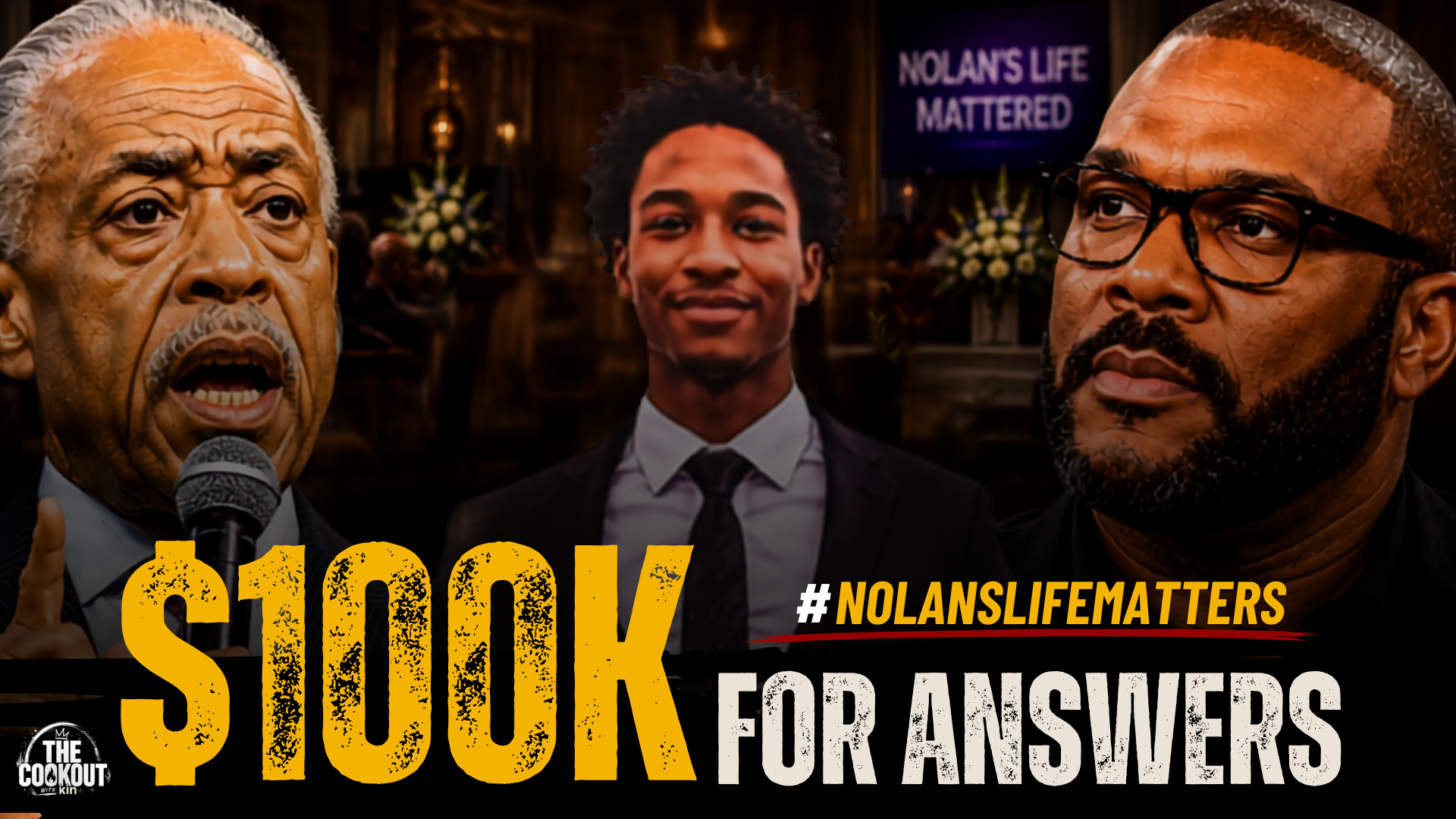
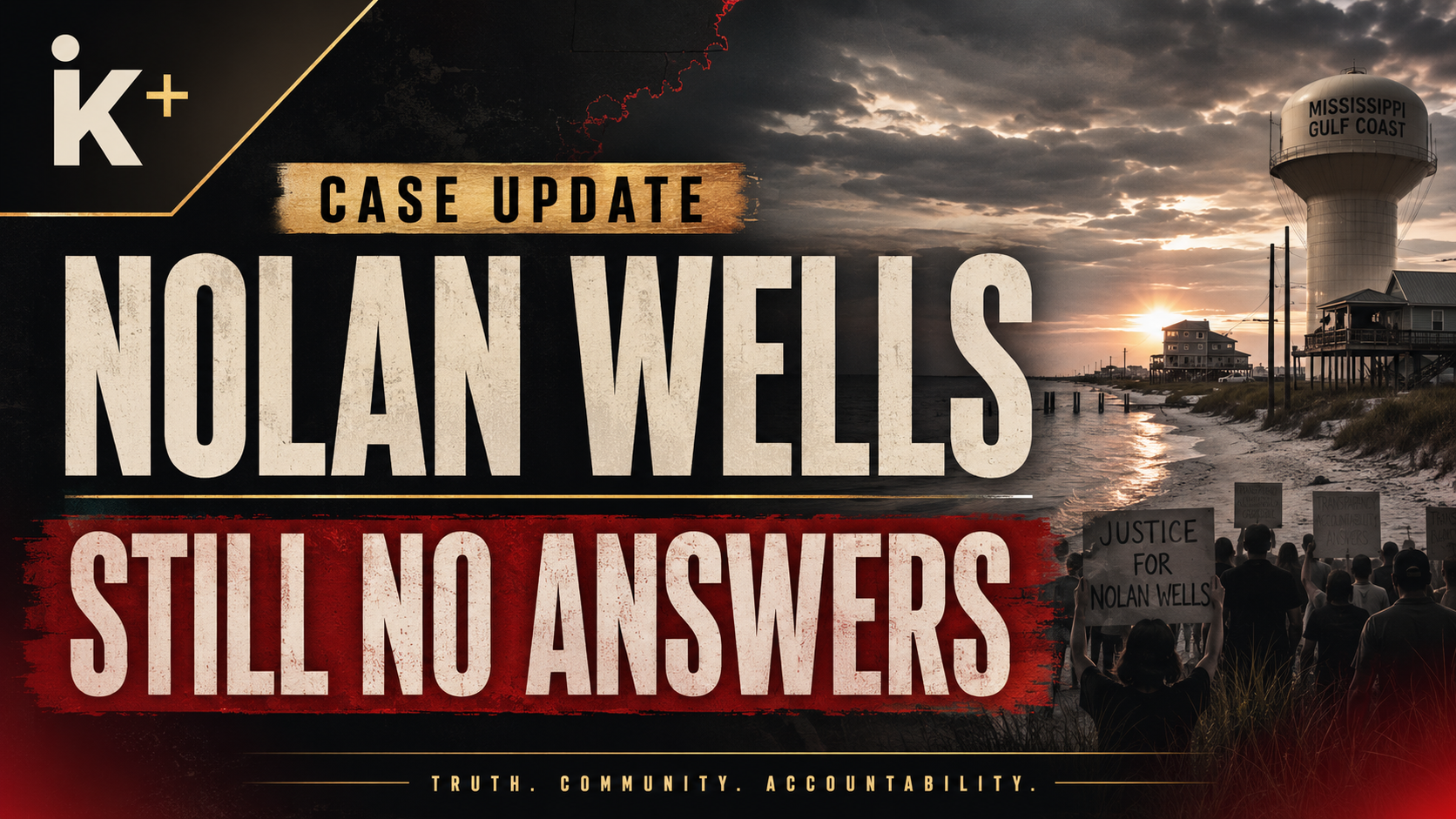
Nolan Wells Is Being Laid to Rest. The Search for Truth Is Not.
Family, friends and civil-rights leaders gathered to celebrate the life of the 18-year-old student-athlete. His funeral closes one chapter—but it does not resolve how he died.
By Kin
· Updated
OFF THE TOP
THE LEAD
A Family Buried Its Son. The Investigation Cannot Bury the Questions.

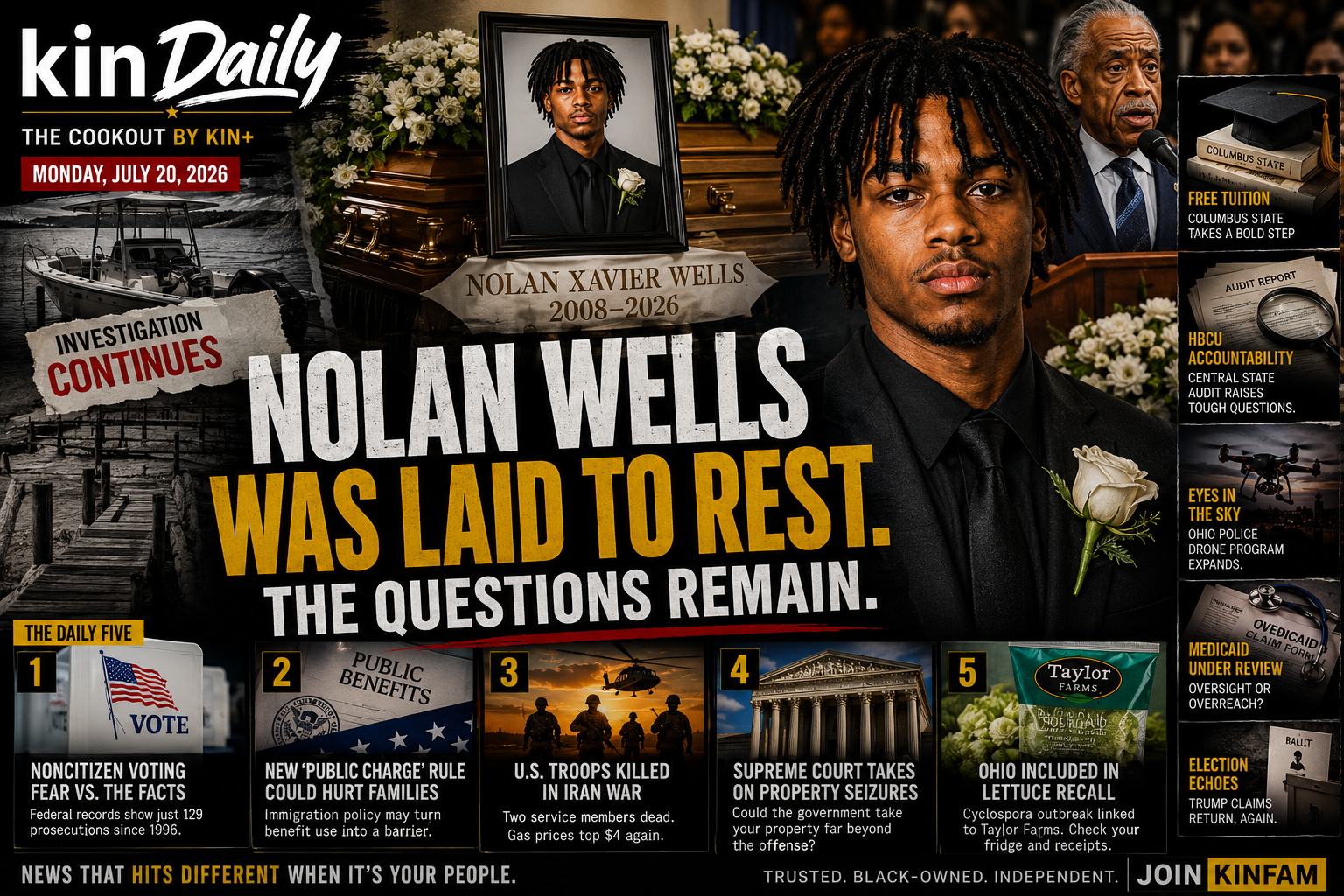
THE DAILY FIVE
1. Federal Records Undercut the Panic Over Noncitizen Voting
President Donald Trump and allied officials have repeatedly described noncitizen voting as widespread and organized.
But a Reuters review of federal court records identified 129 prosecutions under the federal noncitizen-voting law since Congress created the offense in 1996. Seventy-three defendants were convicted or pleaded guilty, and Reuters found that many said they believed they were eligible or had been improperly registered through government processes. The review found no evidence of an organized national operation designed to benefit one political party.
Ohio officials have referred 167 suspected noncitizens for possible prosecution, while federal agents have requested voting information involving hundreds of people from local election boards.
The Kin+ read: The available record does not prove that unlawful voting never occurs.
It shows the difference between a real but rare offense and a mass conspiracy used to justify national restrictions.
The Ohio accountability questions are now obvious:
How many referrals resulted in charges?
How many resulted in convictions?
How many people were incorrectly flagged?
And how many eligible naturalized citizens were forced to prove their citizenship because government data was incomplete?
The allegation is loud.
The ledger must be louder.
2. The New “Public Charge” Rule Could Turn Assistance Into an Immigration Liability
The Trump administration is reviving a broader public-charge policy governing some applications for lawful permanent residence.
The rule gives immigration officers greater discretion to consider whether an applicant is likely to depend on public assistance. Reporting indicates that benefit use involving programs such as Medicaid, food assistance and housing support may be considered in applicable cases. The change is scheduled to take effect September 18.
The policy does not apply identically to every immigrant or every immigration category. Refugees, asylum recipients and certain other protected groups may be treated differently under federal law.
The Kin+ read: This policy can create consequences before an officer denies a single application.
Families may avoid doctors.
Parents may avoid food assistance.
Residents may give up housing help.
Not because they are legally prohibited from using the program—but because they fear the record will later be used against them.
For Black immigrants, African immigrants and Afro-Latino families, the result could be another layer of vulnerability placed on top of racial inequality, unstable work and unequal health access.
This is immigration policy functioning as a wealth test.
3. American Troop Deaths Push the Iran War Into a More Dangerous Phase
The U.S. military identified two soldiers killed in Jordan during Iranian missile and drone attacks: 1st Lt. Tyler James Feehan of Hawaii and Pvt. Isabella Gonzales of Texas. The deaths marked the first American troops directly killed by Iran during the current war, according to the Associated Press.
The fighting has also pushed the national average gasoline price back above $4 per gallon as oil markets react to threats against shipping and production in the Middle East. Reuters reported an average of roughly $4.003 per gallon Monday.
The Kin+ read: Washington discusses war through targets, strategy and geopolitical leverage.
Families experience it through casualty notifications, military deployments, gasoline prices, grocery distribution and federal spending.
The questions Congress must answer are basic:
What authorization governs this war?
What outcome would end it?
How many more service members will be deployed?
How much public money has been committed?
And who is preparing the public for the costs if escalation continues?
Who fights?
Who pays?
What is the exit?
4. The Supreme Court Will Hear a Case About Taking Property Far Beyond the Offense
The Supreme Court agreed to hear the case of Kenneth Jouppi, an Alaska pilot whose airplane was targeted for permanent forfeiture after he transported a passenger carrying alcohol into a community where alcohol imports were prohibited.
The case asks how courts should determine whether a government fine or property forfeiture is excessive under the Eighth Amendment: by evaluating the offense in the abstract, or by examining the specific person’s conduct and culpability.
The Kin+ read: This may sound like an Alaska aviation dispute.
It is about the government’s power to take property.
A vehicle can be somebody’s transportation.
A plane can be somebody’s livelihood.
A house can be somebody’s accumulated family wealth.
When the value of the property vastly exceeds the seriousness of the conduct, punishment can become extraction.
That question matters wherever governments rely on fines, fees and forfeitures—not only in Alaska.
5. Ohio Is Included in a Widening Lettuce Recall
Taylor Farms removed iceberg lettuce sourced from central Mexico from the U.S. market due to its possible connection to a multistate Cyclospora outbreak.
Affected products were distributed across 27 states, including Ohio. The FDA says recalled lettuce was also supplied to Taco Bell locations in at least Ohio, Indiana, Kentucky, Michigan and West Virginia. Taco Bell stopped using the supplier’s lettuce as of July 17.
The FDA later determined that an initially reported positive lettuce sample was a false positive. However, its traceback investigation still identified Taylor Farms de Mexico as a common supplier connected to restaurants where sick people had eaten, and the recall remains active while the investigation continues.
The Kin+ read: Do not confuse the false-positive laboratory correction with the end of the outbreak investigation.
Ohio consumers should check product names, package sizes and use-by dates against the FDA recall list. People experiencing prolonged diarrhea, cramping, nausea, fatigue, loss of appetite or recurring symptoms should contact a health professional.
READ THE RECORD
When Does a Fine Become Government Extraction?
PULL UP TO THE COOKOUT
Today, Nolan Wells’ family buried their son while the investigation into his death continues.
What does responsible public pressure look like when a family deserves answers—but the complete evidence has not yet been released?
How do we demand accountability without turning rumor into fact or grief into content?
Pull up and tell us where the line should be.
WATCH TODAY
Check Your Refrigerator and Your Receipts
The Taylor Farms recall includes multiple shredded-lettuce and iceberg-salad products with specific package sizes, brands, lot codes and use-by dates.
Ohio residents should check the FDA’s active recall notice, discard or return affected products and monitor for symptoms associated with cyclospora infection. The FDA says symptoms may appear to improve and then return, while people with weakened immune systems may experience more severe illness.
Also watch for:
- Additional Ohio retailers or restaurants being identified.
- New state-level case counts.
- Expansion of the recall.
- Updated laboratory findings.
- Public-health guidance for schools, nursing facilities and institutional food providers.
A recall announcement is not the end of the accountability chain.
Consumers need to know which products reached which communities.
If this reporting helped you understand Columbus better, come home to Kin.
Join Kin Nation and get Kin directly — the news, alerts, guides and stories shaping our community.