Ohio's Political Landscape: A Crucial Turning Point for the Black Community
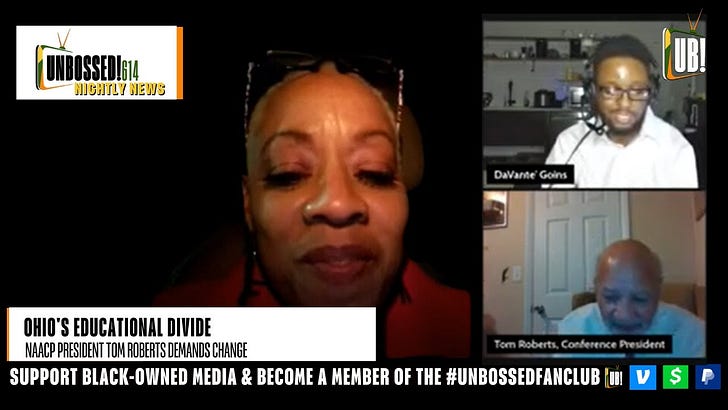
Columbus, Ohio - In a move that's caught the eye of Black Ohioans, House Speaker Jason Stephens, a Republican from Kitts Hill, recently made it clear that Senate Bill 83, a bill integral to the state's higher education system, doesn't have the legs to make it through the Ohio House.
By DaVante Goins

Columbus, Ohio - In a move that's caught the eye of Black Ohioans, House Speaker Jason Stephens, a Republican from Kitts Hill, recently made it clear that Senate Bill 83, a bill integral to the state's higher education system, doesn't have the legs to make it through the Ohio House.

This announcement comes at a pivotal moment for Ohio's Black community, which played a significant role in the recent landmark decisions on issues like abortion rights and marijuana legalization.
The Stalemate of Senate Bill 83
Senate Bill 83, which holds significant implications for educational equity, is currently in a deadlock. For Black Ohioans, who have historically faced systemic barriers in education, the bill's fate is more than a political issue; it's a matter of ensuring fair access and representation in the state's higher education system. The current impasse reflects not just the legislative complexities but also the diverse and sometimes conflicting perspectives within Ohio's political sphere.

A Reflection of Black Ohio's Voice
The resounding approval of abortion rights (Issue 1) with a 56.6% majority is a testament to the power and influence of Black voters in Ohio. This decision underscores the community's long-standing fight for bodily autonomy and justice, especially in a country where such rights have been consistently challenged for Black individuals.
Additionally, the prospect of marijuana legalization carries deep significance, considering the disproportionate impact of drug laws on Black communities.
A Critical Moment for Legislative Leadership
The actions and decisions of Stephens and Huffman in this evolving landscape hold immense weight, particularly for the Black community. Their approach to navigating these changes will be a key indicator of their commitment (or lack thereof) to addressing the unique challenges and disparities faced by Black Ohioans.
Stephens' focus on the judiciary's role in the post-Issue 1 era hints at a potential shift towards more balanced legislation, a change that could have far-reaching implications for social justice and equity.
A Strategic Pause Amidst Legislative Turbulence
The decision by Stephens and Huffman to refrain from immediate legislative action targeting state courts or pushing for a quick repeal of Issue 1 is a significant move. This pause offers a much-needed window for reflection and strategizing, allowing for a more thoughtful and inclusive approach to lawmaking — an approach that the Black community in Ohio will be watching closely.
The Road Ahead: Black Ohioans Shaping Their Political Destiny
As Ohio navigates these uncertain times, the voice and influence of its Black community are more critical than ever. The response of legislative leaders to key issues like Senate Bill 83 and the outcomes of recent votes will be a litmus test for their dedication to fostering an inclusive, equitable Ohio. The decisions made in the coming months will not only impact current policies but will also set the tone for the state's future trajectory.
In conclusion, the developments around Senate Bill 83 and the recent electoral decisions represent a significant chapter in Ohio's political story — one where the Black community's role is increasingly central.
The actions of Ohio's leaders in this context will be pivotal in determining whether the state moves towards greater equity and representation or further entrenches existing disparities. We in Black Ohio, will continue to stay empowered and vigilant while standing strong holding our leaders accountable and steering the state towards a more just and inclusive future.

☛ ☛ UnBossed! Columbus Streaming Network is a news reporting platform covered under Copyright Disclaimer Under Section 107 of the Copyright Act 1976, allowance is made for "fair use" for purposes such as criticism, comment, news reporting, teaching, scholarship, and research.
Originally published by UnBossed! Columbus
- unbossed-archive
If this reporting helped you understand Columbus better, come home to Kin.
Join Kin Nation and get Kin directly — the news, alerts, guides and stories shaping our community.