Voting Rights Under Threat: 8th Circuit Court Limits Enforcement of Key Law Section
Breaking News: The 8th Circuit Court's recent ruling limits private enforcement of Section 2 of the Voting Rights Act, potentially impacting minority voters in several states. This critical decision could reshape the voting rights landscape in America. Stay informed on the implications and responses to this significant legal development.
By DaVante Goins
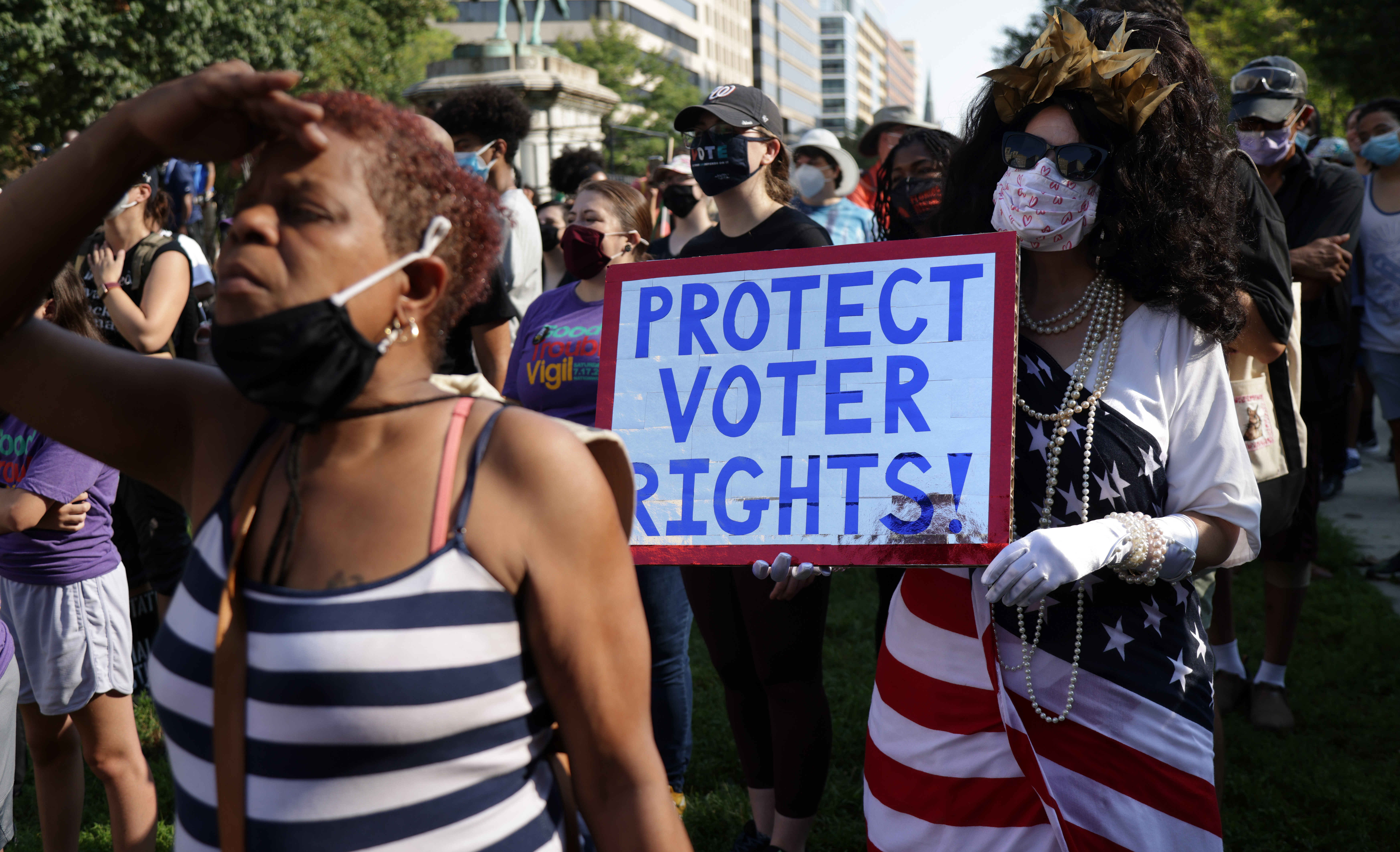
Columbus, Ohio - The 8th Circuit Court of Appeals has issued a pivotal ruling that restricts the enforcement of Section 2 of the landmark Voting Rights Act, a move that could significantly reshape the voting rights landscape in the United States, particularly for minority voters.
Section 2's Historic Role in Safeguarding Minority Voting Rights
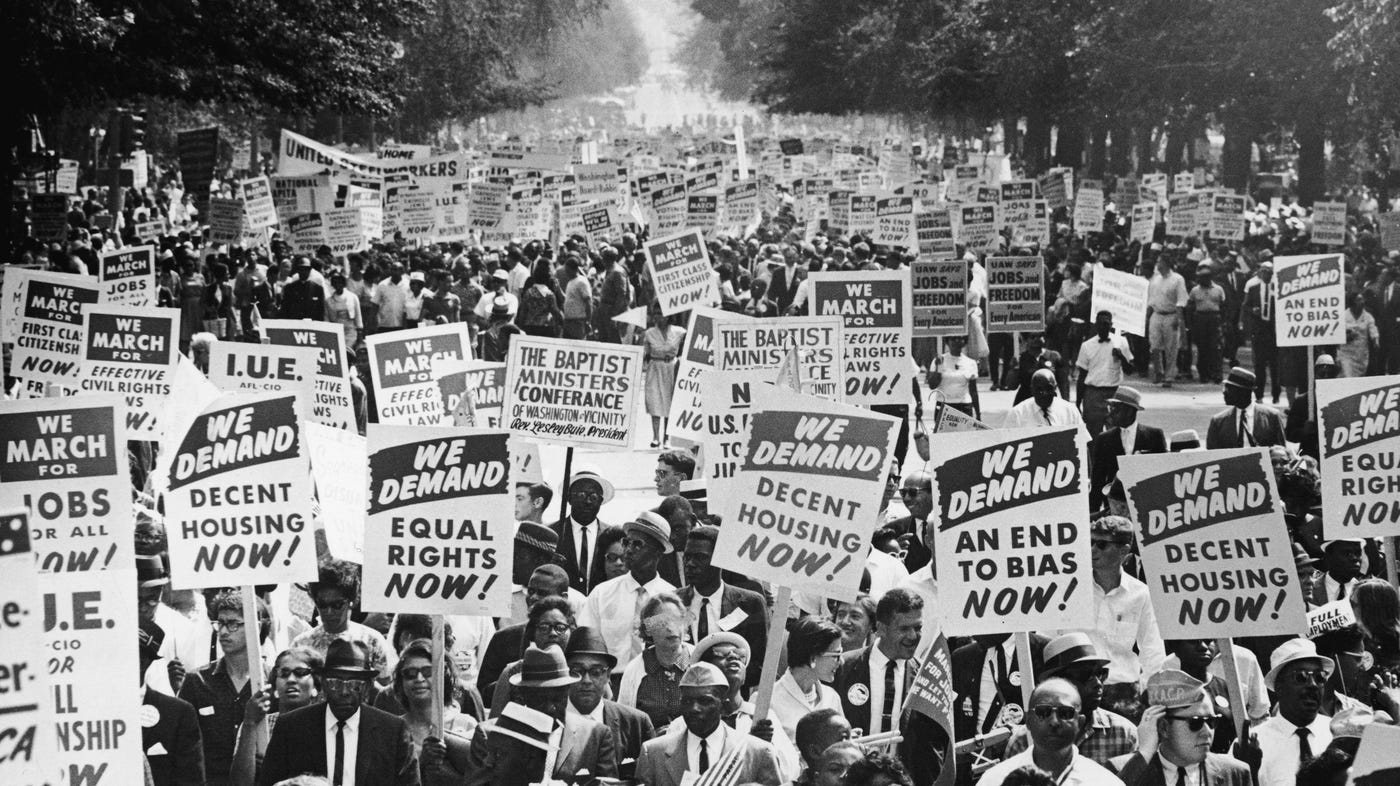
Since its enactment in 1965, the Voting Rights Act has been a bulwark against racial discrimination in voting. Central to this has been Section 2, which prohibits voting practices that discriminate on the basis of race. Over the decades, it has empowered private citizens and civil rights groups to challenge unfair practices, such as redistricting and voter ID laws, playing a crucial role in enhancing minority voter participation.

The 8th Circuit Court's Alarming Decision
In a 2-1 decision, the 8th Circuit Court ruled that only the U.S. government, not private parties, can sue under Section 2 of the Voting Rights Act. Authored by Judge David Stras, appointed by Donald Trump, the ruling significantly narrows the scope of this critical civil rights law. The ruling arose from an Arkansas racial gerrymandering case, highlighting the ongoing struggle against discriminatory practices in electoral processes.
Implications for States and Minority Voters
The decision has immediate implications for states within the 8th Circuit's jurisdiction – Minnesota, Iowa, North Dakota, South Dakota, Nebraska, Missouri, and Arkansas. Historically, private groups have been instrumental in bringing Section 2 challenges, a practice now under threat. This decision arrives amid a backdrop of recent orders for several Southern states to redraw congressional district lines due to voter discrimination, emphasizing the vital role of private litigation in fighting systemic discrimination.
Reaction and Resistance
Civil rights organizations and advocates, including the ACLU, have vehemently opposed the decision, viewing it as a significant setback for voter rights, especially for Black Americans. The ruling is perceived as a stark reversal of the long-standing legal practice and a blow to the fight against voter suppression. Chief Judge Lavenski Smith, dissenting in the appellate panel, stressed that foundational rights should not depend solely on the discretion of government agents for protection.
The Path Forward: Appeals and Advocacy
The legal community anticipates that this decision will be appealed and possibly taken to the Supreme Court. This step is vital for reaffirming the right of private parties to challenge violations under the Voting Rights Act. As the case potentially advances to the highest court, it becomes a focal point for those committed to ensuring fair and equitable access to the electoral process for all Americans.
Conclusion: A Defining Moment for Voting Rights
The 8th Circuit Court's ruling serves as a stark reminder of the ongoing challenges facing voting rights in America. It is a call to action for advocates of equality and justice in the electoral process. As the legal battle unfolds, it remains a beacon of hope for the reaffirmation of rights essential to the democratic voice of every citizen, emphasizing the need for continued vigilance and proactive advocacy in safeguarding these rights.

☛ ☛ UnBossed! Columbus Streaming Network is a news reporting platform covered under Copyright Disclaimer Under Section 107 of the Copyright Act 1976, allowance is made for "fair use" for purposes such as criticism, comment, news reporting, teaching, scholarship, and research.
Originally published by UnBossed! Columbus
- unbossed-archive
Independent local reporting takes work.
Join Kin Nation and stay connected to what happens next.