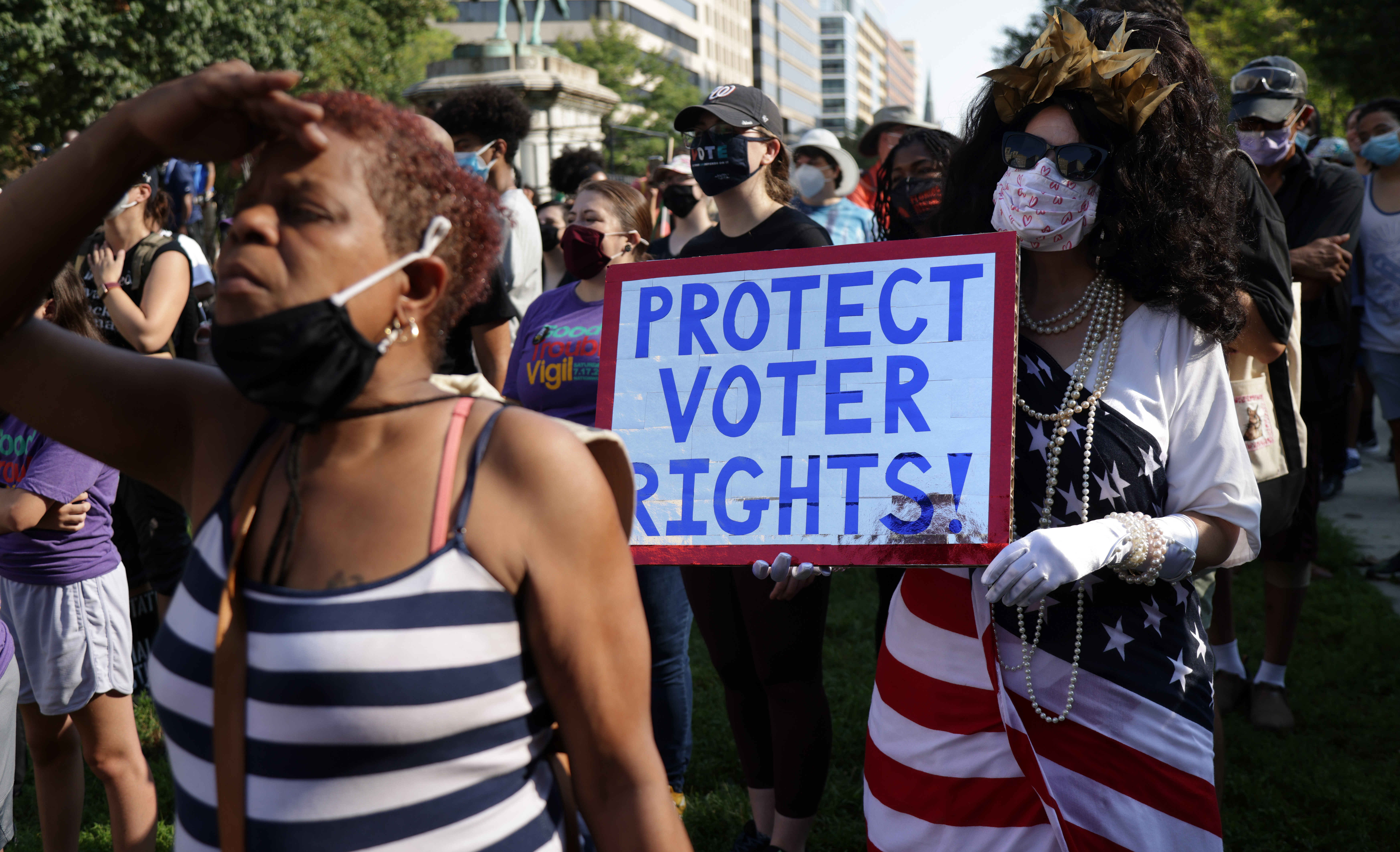
The Battle for Voting Rights: A Crucial Turning Point in the Struggle for Equality
The Roots of Resistance: A Historical Context
By DaVante Goins
The Roots of Resistance: A Historical Context
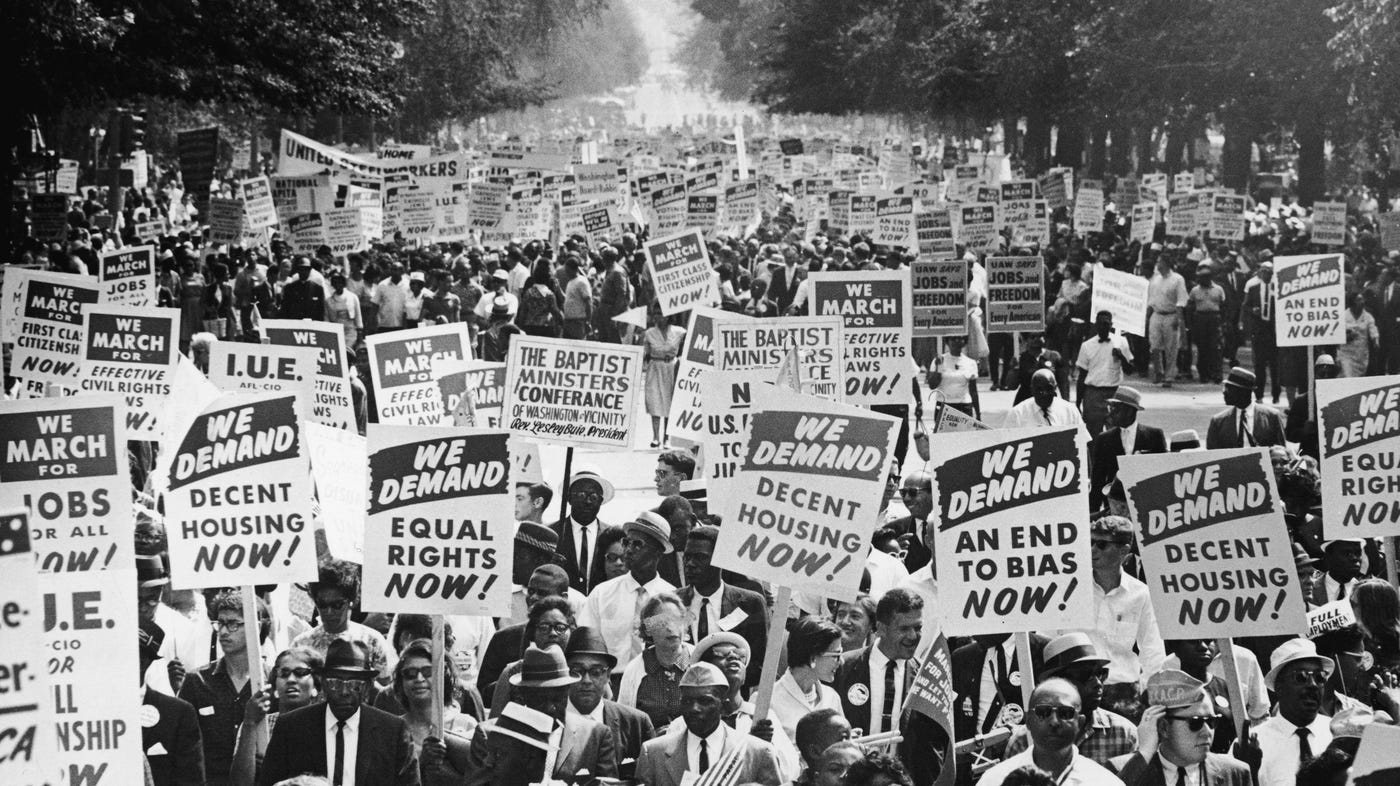
In the heart of America's tumultuous journey towards equality, the Voting Rights Act of 1965 emerged as a beacon of hope. It stood as a testament to the enduring struggle of African Americans and their allies, who fought tirelessly against the systemic barriers erected to silence their voices. This monumental legislation passed during the height of the Civil Rights Movement, aimed to dismantle the insidious practices of voter suppression that had plagued Black communities for decades. The Act was more than a legal document; it was a symbol of triumph over the oppressive Jim Crow laws and a step towards the actualization of the democratic ideals of equality and justice.
The Current Crisis: A Blow to Civil Liberties
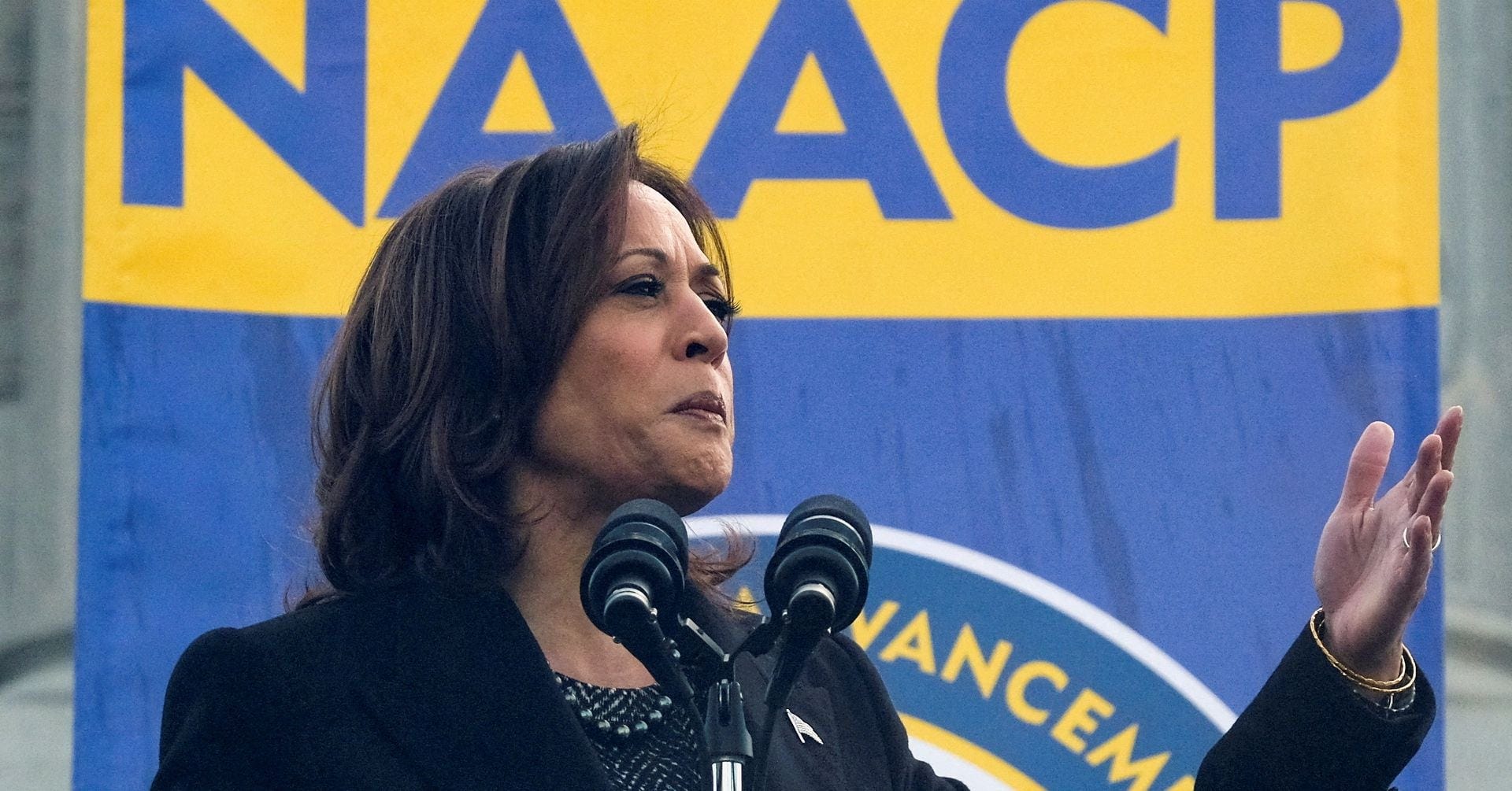
Fast forward to today, we're witnessing a critical juncture in the ongoing battle for voting rights. The recent ruling by the 8th Circuit Court of Appeals has sent shockwaves through communities advocating for fair representation and democratic integrity. This decision, which restricts private individuals and groups like the NAACP from suing under a key section of the Voting Rights Act, challenges the very core of the Act's purpose. By limiting enforcement to the U.S. attorney general, the ruling risks further erosion of the protections fought for so valiantly over half a century ago.
The court's majority opinion, penned by Judges appointed by former Presidents Trump and Bush, stands in stark contrast to the dissenting view of Chief Judge Lavenski R. Smith. This divide within the judicial system mirrors the larger societal split over issues of race, representation, and the right to vote. The NAACP and other civil rights groups see this as a direct attack on the progress made in recent decades, diminishing the power of minority voices in the political process.
The Impact: A Community at the Crossroads
This ruling has profound implications, particularly in Arkansas, where the NAACP and the Arkansas Public Policy Panel had contested the state's redistricting plan. Their argument that the plan diluted Black voters' influence underscores a broader concern: without the ability to challenge such actions in court, the voices of minority communities risk being marginalized in the corridors of power.
The ACLU's response, calling the ruling a "travesty for democracy," echoes the sentiment of many who fear this decision could set a dangerous precedent. With the Justice Department's limited resources, relying solely on government intervention to protect voting rights seems like a precarious proposition.
The Future: A Call to Action
As this critical issue likely heads to the U.S. Supreme Court, the community stands at a crossroads. The contrasting opinions from different circuit courts highlight the uncertainty and inconsistency in the judicial interpretation of the Voting Rights Act. This situation calls for a renewed commitment to advocacy and legal action to ensure that the rights so hard-won in the past are not eroded in the present.
We must remember the sacrifices of those who fought for the right to vote and recognize that this struggle is far from over. It's imperative that we stay informed, engaged, and ready to act. The Congressional Black Caucus's call for the Supreme Court to reaffirm the citizens' right to bring forward lawsuits under Section 2 of the Act is a critical step in this ongoing battle.
In Conclusion: A Rallying Cry for Justice
This moment in history is a reminder of the fragility of our hard-earned rights and the constant vigilance required to protect them. We must unite in our efforts to uphold the principles of democracy and equal representation, ensuring that the voices of all Americans, particularly those of Black and minority communities, are heard loud and clear in the halls of justice. Let this ruling not be an endpoint, but a catalyst for renewed activism and a stronger, more inclusive democracy.
Originally published by UnBossed! Columbus
- unbossed-archive
If this reporting helped you understand Columbus better, come home to Kin.
Join Kin Nation and get Kin directly — the news, alerts, guides and stories shaping our community.