Ohio Leads Multistate Legal Challenge Against NCAA's Transfer Rule
Ohio Attorney General Spearheads Lawsuit to Protect College Athletes’ Rights
By DaVante Goins
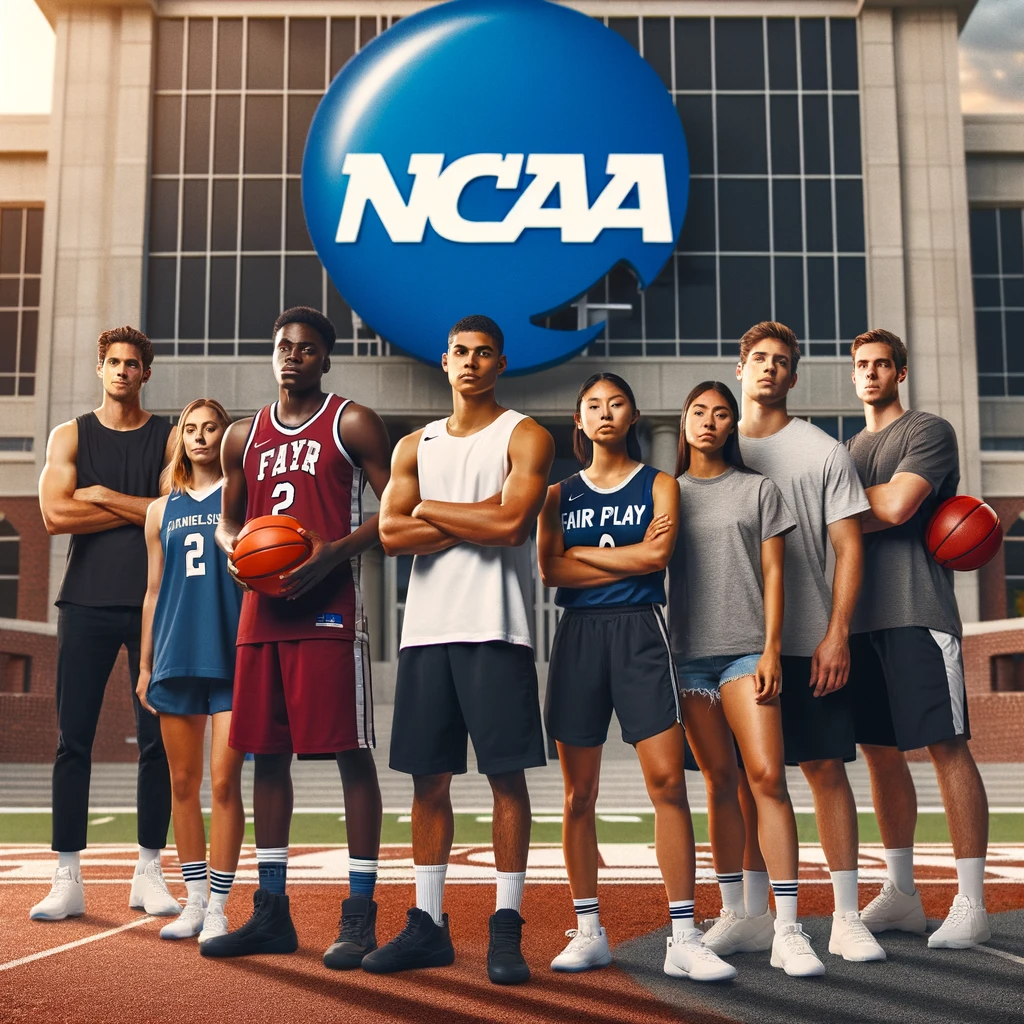
Columbus, Ohio — In a significant move to advocate for the rights of college athletes, Ohio Attorney General Dave Yost, alongside six other states, has launched a federal antitrust lawsuit against the NCAA. This legal battle, rooted in the heart of Columbus, Ohio, challenges the NCAA’s transfer eligibility rule, arguing that it unfairly restrains athletes from maximizing their educational and athletic opportunities.
The current NCAA rule mandates that Division I college athletes wait a year before playing in games if they transfer schools. This regulation, often criticized for its arbitrary nature, has been partially relaxed since 2021 for first-time transfers. However, the NCAA continues to enforce this rule for athletes transferring for a second time, raising significant questions about the fairness and legality of such restrictions.
The Case at Hand: A Fight for Fairness and Autonomy
The lawsuit, filed in the U.S. District Court for the Northern District of West Virginia, not only seeks to overturn this rule but also aims to secure a temporary restraining order and preliminary injunction against its enforcement. This legal action follows the controversial case of Aziz Bandaogo, a University of Cincinnati basketball player, whose initial waiver appeal was denied by the NCAA.
Attorney General Yost’s stance is clear: the rule is riddled with exceptions that undermine its validity, and it needlessly impedes the fundamental rights of college athletes. The lawsuit argues that the NCAA’s justification for the one-year waiting period, purportedly to promote academic well-being and athletic amateurism, is merely pretextual and does not align with the supposed benefits.
A Historical Context: NCAA’s Growing Influence and Questionable Regulations
Since its inception in 1906, the NCAA has progressively expanded its regulatory reach, extending beyond on-field activities to manage the burgeoning business of collegiate sports. While certain regulations are necessary for the administration of college sports, this lawsuit contends that some rules, particularly the transfer eligibility rule, violate the nation's antitrust laws. These laws are built on the premise that market forces often yield the best outcomes, a principle seemingly ignored by the NCAA in this instance.
Impact on Athletes and the Broader Sports Community
The one-year waiting period, which constitutes 20% of an athlete’s total eligibility time, can have devastating effects on those seeking to optimize their careers and welfare. This rule not only hinders athletes' sports careers but also affects universities and fans, creating a ripple effect across the collegiate sports landscape.
A Call to Action: Advocating for Equitable Treatment of College Athletes
This lawsuit, backed by the attorneys general of Colorado, Illinois, New York, North Carolina, Tennessee, and West Virginia, is more than a legal battle. It is a call to action, urging for a reevaluation of the NCAA’s policies and advocating for the fair treatment of college athletes. As the NCAA often describes the college athlete experience as transformative, these young individuals mustn't be deprived of opportunities that are essential for their growth, both on and off the field.
Conclusion: A Step Towards Change
The fight against the NCAA’s transfer eligibility rule is not just about sports; it's a fight for the rights and autonomy of young athletes across the nation. This lawsuit represents a significant step towards ensuring that college athletes are treated fairly and given the opportunities they deserve to succeed in their academic and athletic pursuits. As the case progresses, it will undoubtedly shed light on the broader implications of the NCAA’s regulations and potentially lead to more equitable practices in collegiate sports.
☛ ☛ UnBossed! Columbus Streaming Network is a news reporting platform covered under Copyright Disclaimer Under Section 107 of the Copyright Act 1976, allowance is made for "fair use" for purposes such as criticism, comment, news reporting, teaching, scholarship, and research.
Originally published by UnBossed! Columbus
- unbossed-archive
If this reporting helped you understand Columbus better, come home to Kin.
Join Kin Nation and get Kin directly — the news, alerts, guides and stories shaping our community.